



How to Prevent Garden Pests Before They Start
|
|
Time to read 2 min
You’re attempting to view exclusive content only for members in the __tier_name__.
Already have an account? Sign in
You’re attempting to view exclusive content only for members in the __tier_name__.
Already have an account? Sign in
|
|
Time to read 2 min
Summer is peak growing season—but it’s also peak pest season. If you’ve ever dealt with aphids swarming your tomatoes or whiteflies clouding around your flowers, you know how quickly pests can take over a garden. But what if you could stop them before they even start?
As temperatures rise and plants grow more vigorously, pests like aphids, thrips, whiteflies, and spider mites thrive. These pests feed on your plants’ sap, damaging leaves, spreading disease, and reducing harvest quality. For organic gardeners, prevention is the most powerful form of pest control.
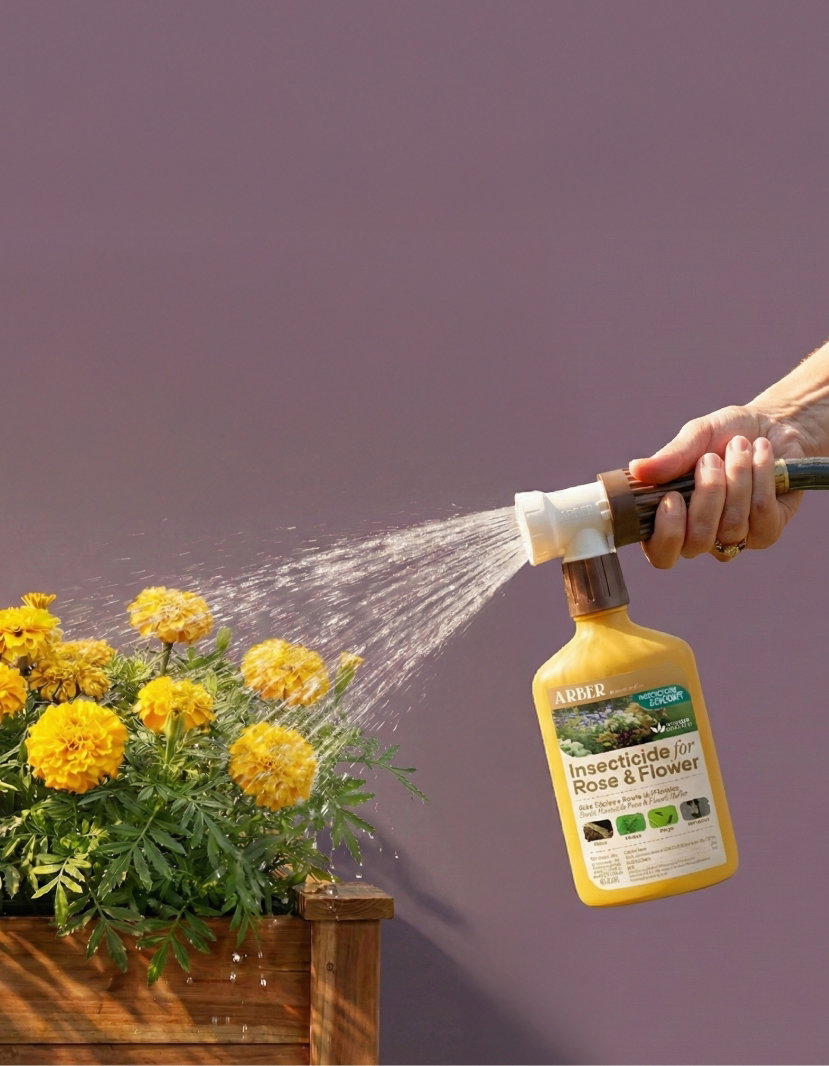
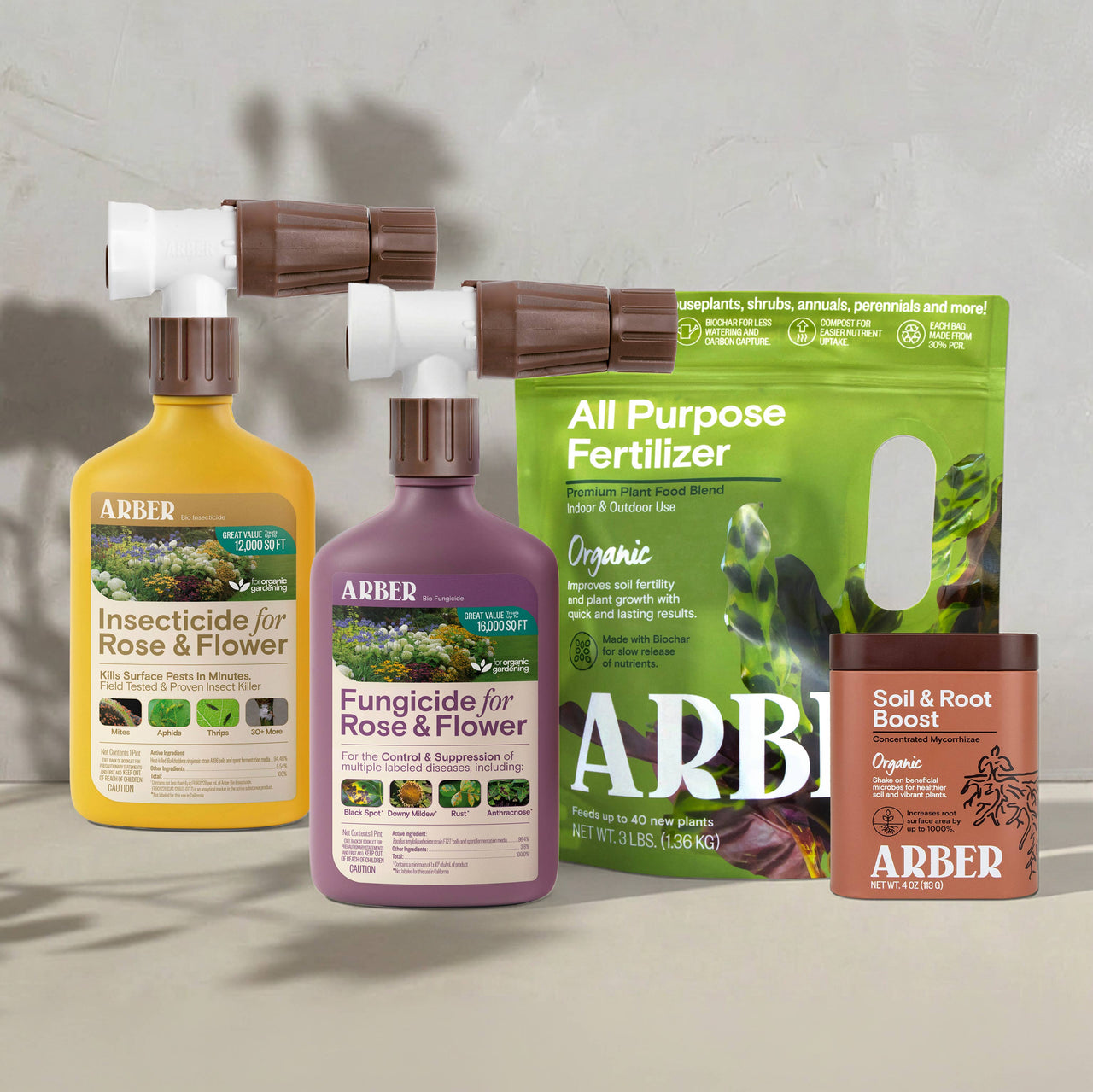
Arber’s Bio Insecticide is a proven-effective, organic solution made from natural ingredients that target soft-bodied insects without harming pollinators, pets, or people. Unlike synthetic chemicals, our insecticide works with your garden’s natural ecosystem to keep plants protected and thriving.
Start Early: Begin spraying in late spring or early summer before you see pests. It’s easier to prevent an infestation than reverse one.
Apply Every 2 Weeks: A biweekly application creates a consistent barrier that keeps pests at bay. Make it part of your regular garden routine.
Spray in the Morning or Evening: Avoid applying in the heat of the day to prevent leaf burn and maximize absorption.
Target Trouble Zones: Focus on the undersides of leaves (where pests like to hide), new growth, and any areas that have been problematic in the past.
Vegetable gardens: Tomatoes, cucumbers, peppers, leafy greens
Flower beds: Roses, marigolds, zinnias, petunias
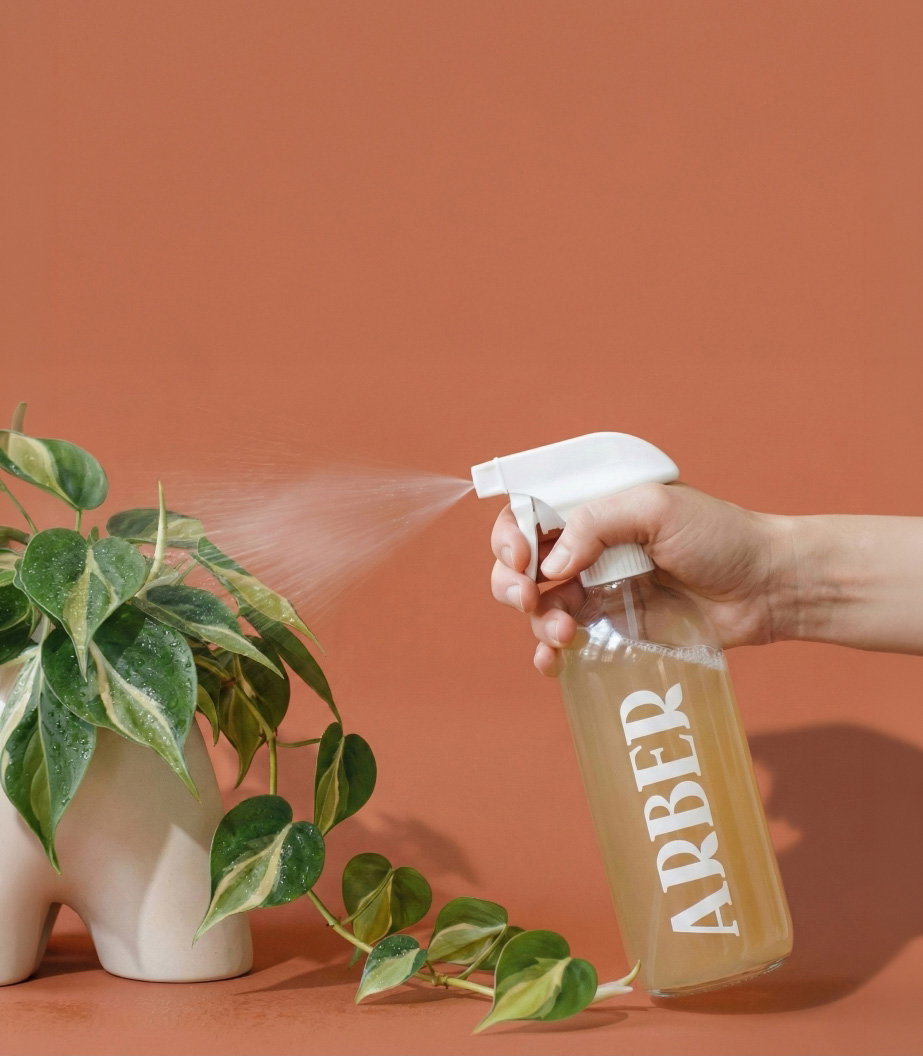
Houseplants: Pothos, fiddle leaf figs, monsteras, and more
Bonus Tip: If you’re seeing signs of pests already—like curling leaves, sticky residue, or webbing—it’s not too late. Begin spraying every 5–7 days until the issue is under control, then shift to the biweekly preventive schedule.
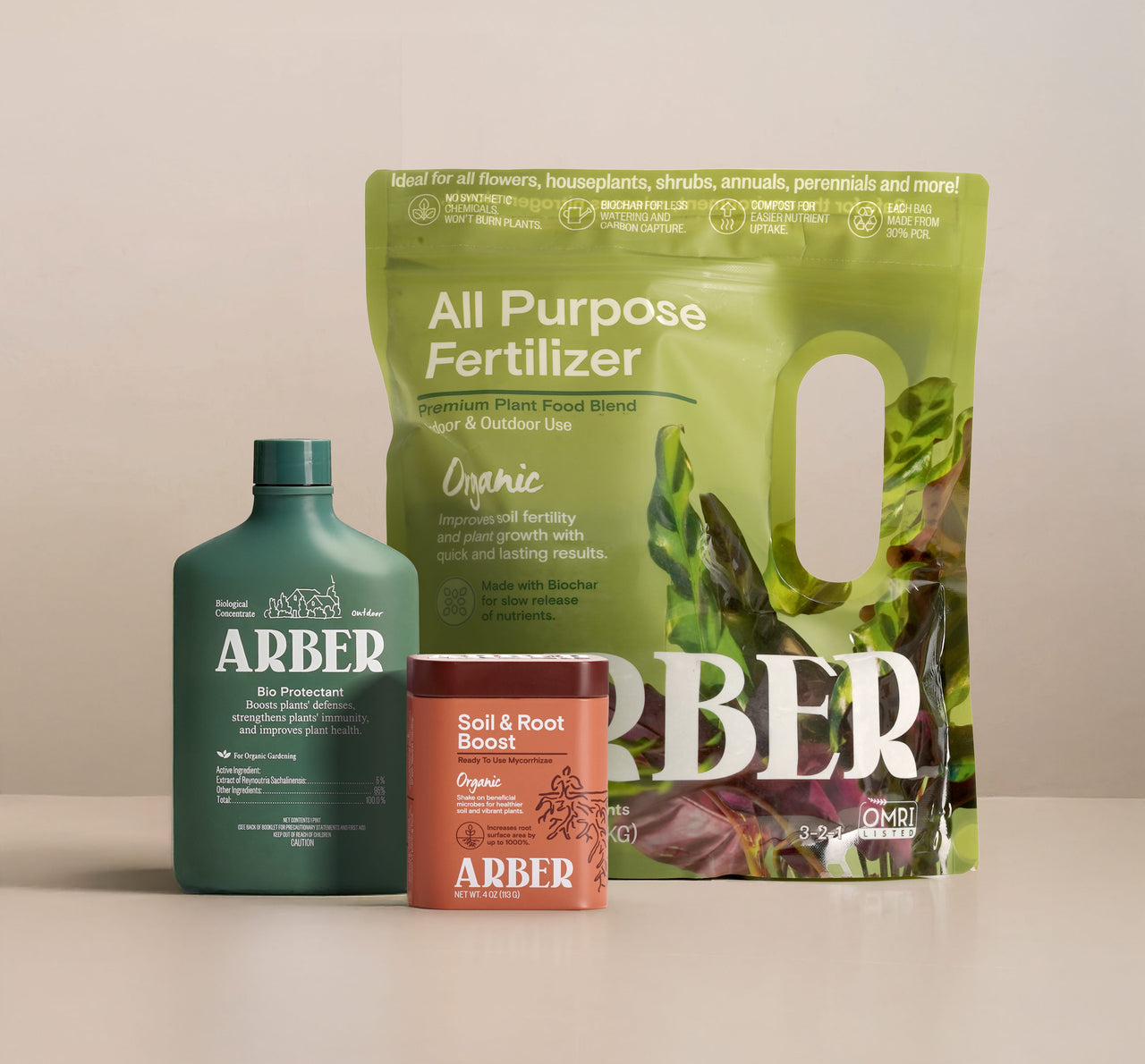
OMRI Listed for organic use
Plant- and planet-safe formula
Ready-to-use and concentrate options
Safe for pollinators like bees and butterflies
Easy to integrate into any organic gardening routine
Don’t let garden pests ruin your summer harvest. With Arber’s Bio Insecticide and a proactive approach, you can enjoy a healthier, more vibrant garden all season long.
How often do I use the Organic Bio Insecticide if I already have an infestation?
We recommend first pruning or cleaning the infested areas and regularly removing debris or adult insects from the plants. Then, follow this method by treating your plant with our Organic Bio Insecticide as a foliar spray and a soil drench once every 5 days until the infestation is under control. Once the infestation is under control, we recommend continuing to treat your plant with our Organic Bio Insecticide every 2 weeks for prevention.
How does the Organic Bio Insecticide get rid of bad bugs while keeping good bugs safe?
When Organic Bio Insecticide is applied, the plant becomes inoculated with the naturally occurring bacteria. The pest then feeds on the plant and gets a dose of the bacteria, which stops feeding or molting, then dies naturally. Beneficial insects feed on the pests, but don’t get enough of a lethal dose of the bacteria for it to affect them because it does not have any effect on insects in the Hymenoptera family.
What plants can I use the Organic Bio Insecticide on?
All of our organic formulas are versatile and highly effective on all plants, indoor and outdoor. Including, but not limited to, houseplants, trees, shrubs, flowers, fruits, vegetables, lawn, seedlings, and more!


