




What to Plant in November: 5 Crops to Start for a Strong Winter and Early Spring
|
|
Time to read 3 min
You’re attempting to view exclusive content only for members in the __tier_name__.
Already have an account? Sign in
You’re attempting to view exclusive content only for members in the __tier_name__.
Already have an account? Sign in
|
|
Time to read 3 min
November marks the quiet transition between fall and winter—but your garden doesn’t have to go dormant just yet. For those in mild and warm regions, it’s still prime time to plant hardy greens, root vegetables, overwintering crops, and spring bulbs. Even in colder climates, this month is all about preparing your soil, protecting your perennials, and getting a head start on next year’s growth.
The soil is still warm enough for root development, rainfall is consistent, and pest activity slows down—making November one of the most underrated months for planting. Below are five of the best crops and bulbs to plant in November, complete with zone recommendations, growing tips, and the Arber products that help them thrive.
Zones: 3–9
Plant Type: Clove (vegetative propagation, not seed)
Why Plant in November: Garlic thrives on cold exposure. Planting in November gives the cloves time to establish roots before winter sets in, ensuring large, flavorful bulbs next summer.
Best Way to Start from Clove:
Transplant Tips: Garlic doesn’t transplant well—plant cloves directly where they’ll mature.
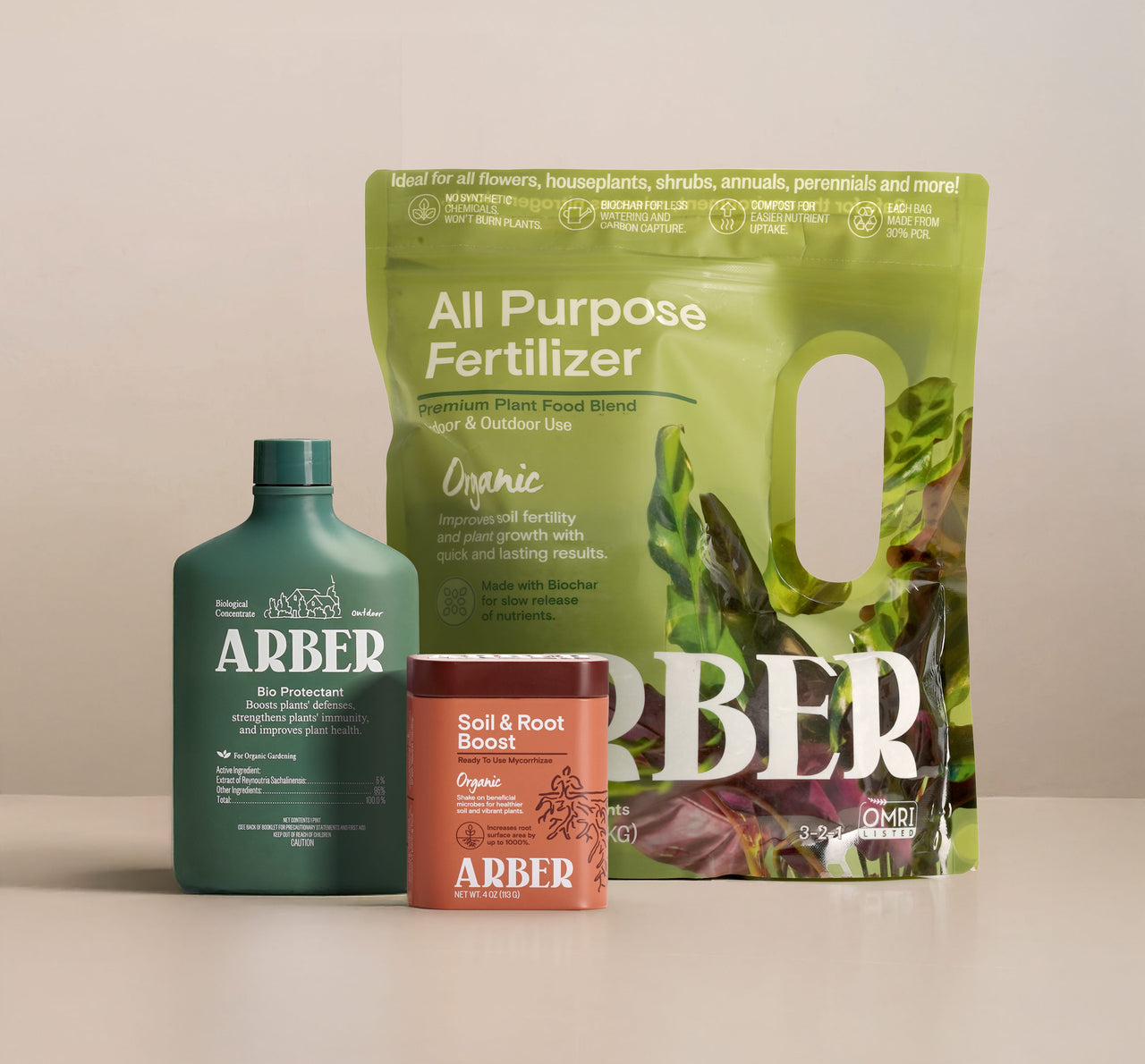
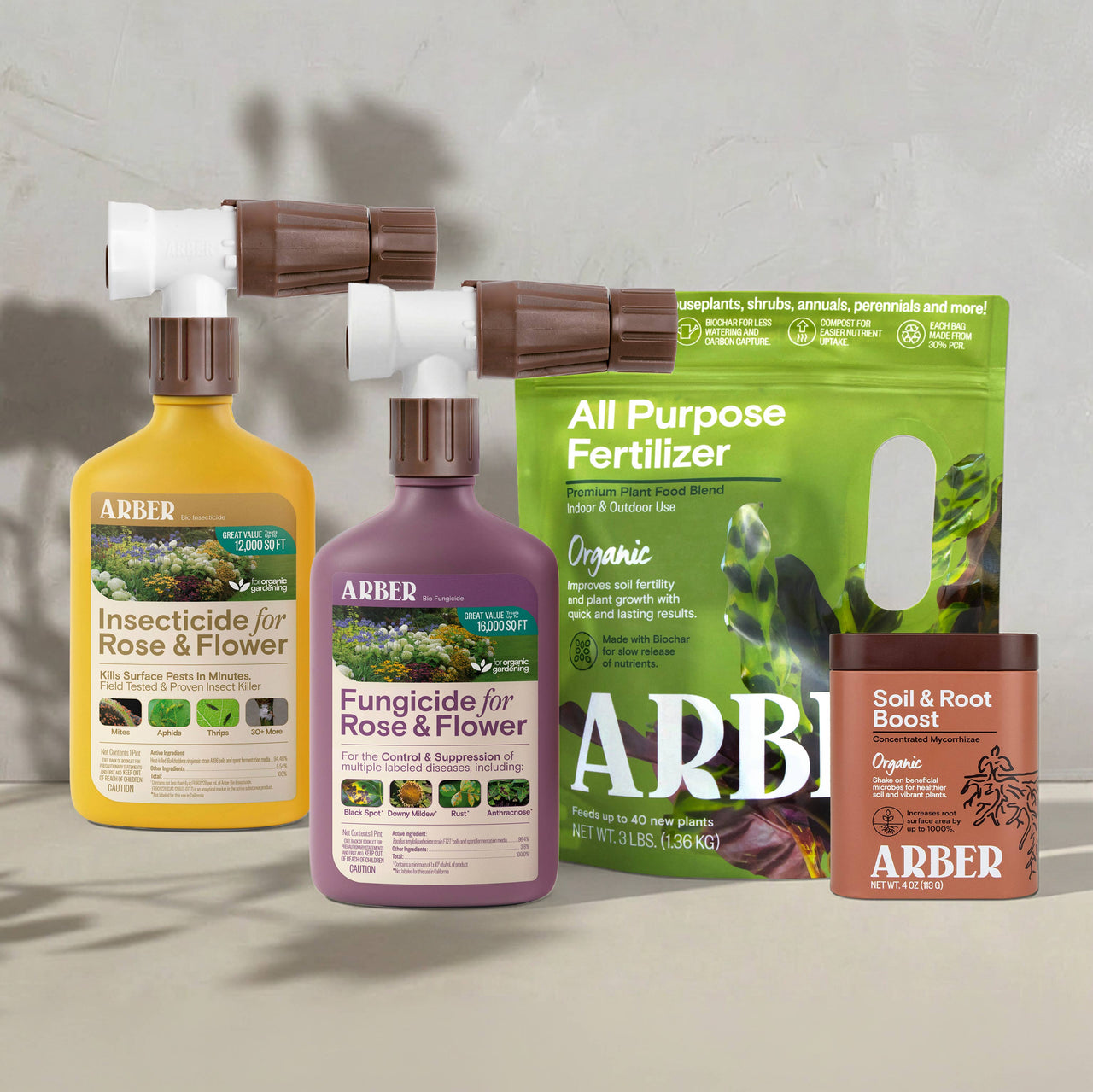
Arber Boost: Organic Soil & Root Boost promotes root expansion and improves soil structure, giving garlic the strong underground start it needs for big bulbs next summer.
Zones: 7–10
Plant Type: Seeds
Why Plant in November: Fava beans are cold-tolerant legumes that enrich soil with nitrogen while providing an early spring harvest. They can handle light frosts and even snow in mild regions.
Best Way to Start from Seed:
Transplant Tips: Fava beans can be transplanted if started indoors, but direct sowing outdoors is best for strong root systems and minimal stress.
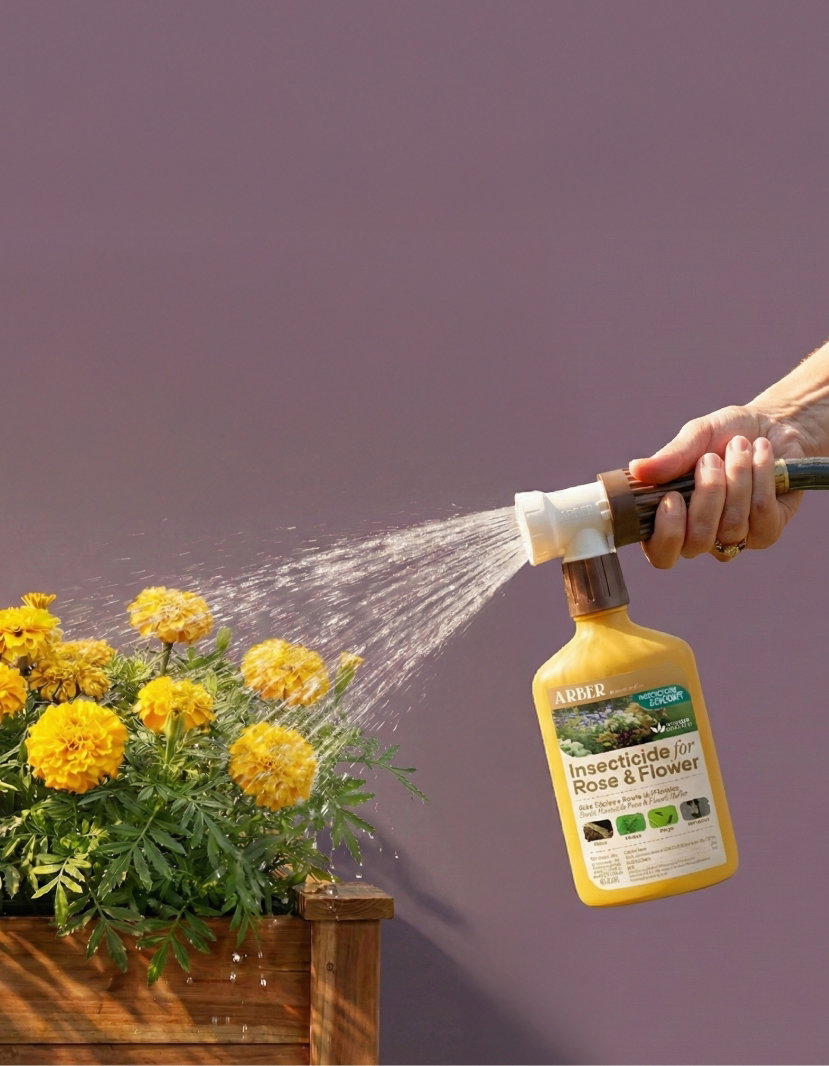
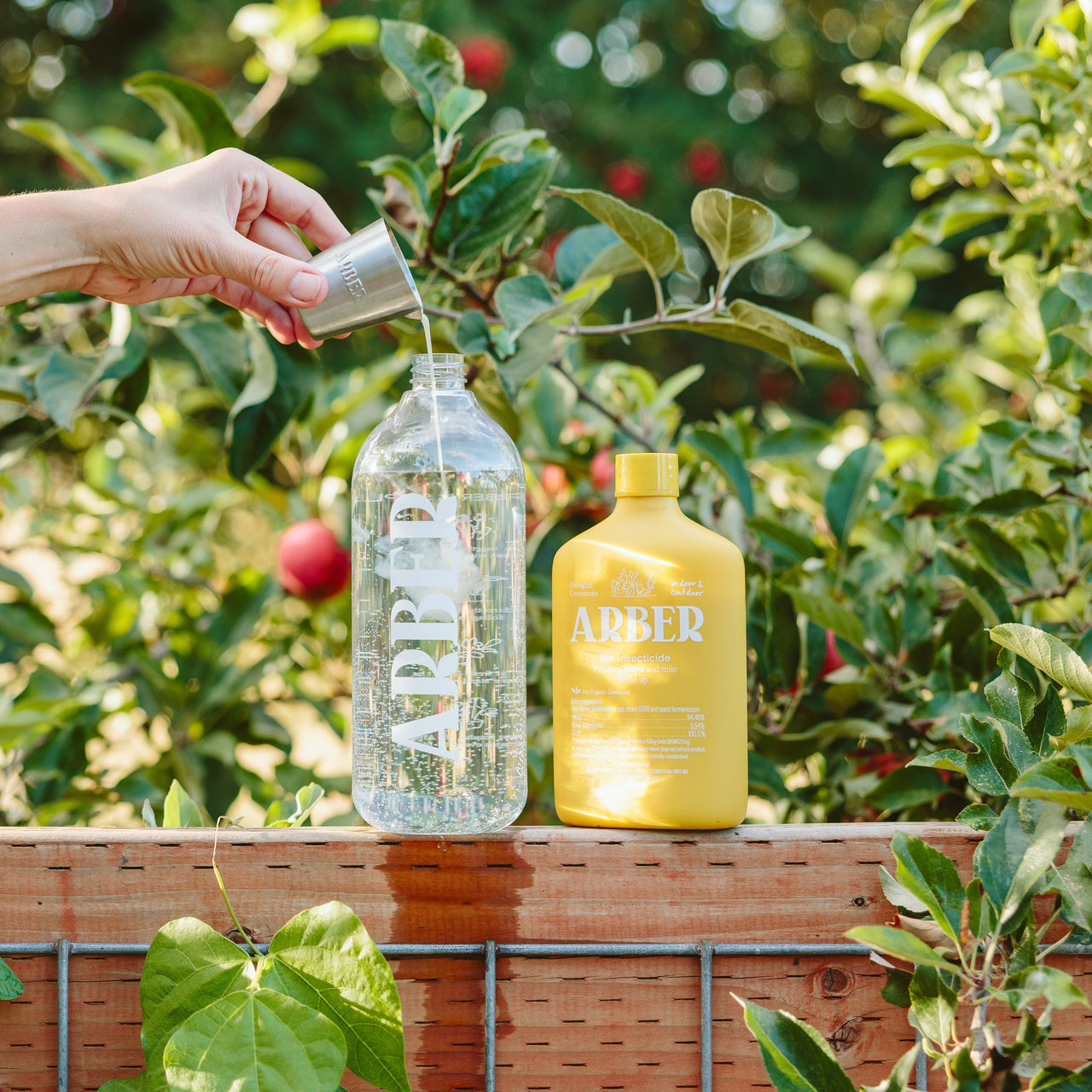
Arber Boost: Organic Bio Insecticide keeps aphids and bean leaf beetles under control while protecting beneficial insects and pollinators.
Zones: 7–10 (can overwinter in Zones 6 and below with protection)
Plant Type: Seeds
Why Plant in November: In mild regions, carrots grow steadily through the cool months and can be harvested by late winter. In colder zones, they overwinter beneath mulch and emerge sweeter in spring.
Best Way to Start from Seed:
Transplant Tips: Avoid transplanting—carrots dislike root disturbance and perform best when direct sown.
Arber Boost: Organic Soil & Root Boost supports deep root development and balanced nutrient uptake, producing crisp, uniform carrots.
Zones: 7–9
Plant Type: Seeds or transplants
Why Plant in November: Kale is one of the hardiest greens you can grow. It continues to produce through frost, snow, and short daylight hours—and gets sweeter after exposure to cold.
Best Way to Start from Seed:
Transplant Tips:
Start seeds indoors 4–6 weeks before transplanting.
Choose compact, cold-tolerant varieties for late-season growing.
Transplant on a cloudy day and water immediately to reduce stress.
Arber Boost: Organic Plant Food provides balanced nutrients for strong, leafy growth and long-lasting productivity through the winter season.
Zones: 3–8
Plant Type: Bulbs
Why Plant in November: November is the last call for planting spring-blooming bulbs before the ground freezes. These bulbs require a cold dormancy to bloom beautifully come spring.
Best Way to Start from Bulb:
Transplant Tips: Bulbs don’t transplant well—choose your site carefully and avoid overwatering in winter to prevent rot.
Arber Boost: Organic Fungicide for Roses & Flowers prevents bulb rot, mildew, and fungal disease in damp, cool soils, ensuring your spring blooms emerge healthy and vibrant.
November might feel like the season of rest, but for gardeners, it’s the perfect month to lay the groundwork for next year’s growth. Whether you’re planting garlic for next summer’s harvest or tucking bulbs in for a spring bloom, Arber’s organic plant care lineup helps your garden thrive naturally—rooted in health, resilience, and simplicity.


