



What to Plant in October: 5 Crops and Bulbs to Start This Fall
|
|
Time to read 3 min
You’re attempting to view exclusive content only for members in the __tier_name__.
Already have an account? Sign in
You’re attempting to view exclusive content only for members in the __tier_name__.
Already have an account? Sign in
|
|
Time to read 3 min
As the leaves turn and temperatures dip, October offers a peaceful, but powerful opportunity to keep gardening going strong. Whether you’re planting for late fall harvests, overwintering hearty crops, or setting the stage for a colorful spring bloom, October is a month of groundwork. With warm soil, fewer pests, and cooler air, it’s ideal for root development and stress-free plant growth.
Below are five top plants and bulbs to plant in October, broken down by growing zone, planting method, and the Arber products that will support their success from day one.
Zones: 3–9
Plant Type: Clove (vegetative propagation, not seed)
Why Plant in October: Garlic needs a cold dormancy (vernalization) period to develop full-size bulbs. Planting in October allows cloves to establish roots before the ground freezes, then go dormant over winter and wake up strong in early spring.
Best Way to Start from Clove:
Choose disease-free seed garlic, not grocery store garlic.
Break bulbs into individual cloves just before planting.
Plant cloves root-end down, 2 inches deep and 4–6 inches apart.
Mulch well to insulate during winter.
Transplant Tips: Garlic is not typically transplanted—it’s best planted directly where it will grow.
Arber Boost: Organic Soil & Root Boost promotes root expansion and improves soil structure, giving garlic the strong underground start it needs for big bulbs next summer.
Zones: 3–9
Plant Type: Seeds or transplants
Why Plant in October: Kale is one of the most cold-hardy greens and will keep producing well into winter, especially with protection. It gets sweeter after frost and is ready for baby leaf harvest in as little as 30 days.
Best Way to Start from Seed:
Direct sow seeds ½ inch deep and space 1 inch apart.
Thin to 8–12 inches for full-sized plants.
Water consistently and mulch to keep roots warm.
Transplant Tips:
Transplant seedlings when they have at least 3–4 true leaves.
Harden off before planting outdoors.
Space 12–18 inches apart and apply compost at planting.
Arber Boost: Organic Plant Food provides nitrogen for vibrant leaf growth and long-lasting production. Water directly into soil every 3 weeks for best results.
Zones: 3–8
Plant Type: Bulbs
Why Plant in October: Flowering bulbs require a winter chill period to bloom in spring. October is the perfect time to plant them so they can establish roots before the ground freezes. The effort now pays off with vibrant color and early-season joy in your garden next year.
Best Way to Start from Bulb:
Choose healthy, mold-free bulbs and plant them 6–8 inches deep (or 3x the bulb’s height).
Space 3–6 inches apart depending on size and variety.
Water after planting and apply mulch to regulate soil temperature.
Transplant Tips: Bulbs should be planted directly where they’ll grow—avoid transplanting later as it may disturb dormancy and bloom cycles.
Arber Boost: Use Fungicide for Roses & Flowers to prevent bulb rot, mildew, and fungal diseases common in damp fall soils. This extra layer of protection helps ensure your bulbs stay healthy through winter and emerge strong in spring.
Zones: 5–9
Plant Type: Sets or seedlings
Why Plant in October: Fall-planted onions, particularly short-day and overwintering types, will establish roots before winter, go dormant, and resume growth in early spring for an earlier harvest than spring-sown onions.
Best Way to Start from Sets or Seedlings:
Choose varieties labeled for fall or overwintering (e.g. ‘Walla Walla,’ ‘Senshyu Yellow’).
Plant onion sets or seedlings 1 inch deep, 4–6 inches apart.
Mulch for winter protection.
Transplant Tips: If starting from seed indoors, transplant 4–6 week-old seedlings. Handle gently to avoid damaging roots, and space evenly for uniform bulbs.
Arber Boost: Organic Soil & Root Boost strengthens root development before winter and helps plants access nutrients even in cooler, less active soil.
Zones: 3–9
Plant Type: Seed (direct sow preferred)
Why Plant in October: Arugula is one of the quickest and most cold-tolerant leafy greens you can grow. It thrives in chilly weather and matures in just 20–40 days, giving you peppery greens through fall and even winter in mild climates.
Best Way to Start from Seed:
Direct sow seeds ¼ inch deep, spaced 1 inch apart.
Thin seedlings to 4–6 inches once they emerge.
Water consistently and harvest baby leaves as needed.
Transplant Tips: You can transplant arugula if started indoors, but it grows best when direct sown due to its fast growth and shallow roots.
Arber Boost: Organic Bio Protectant helps shield delicate arugula leaves from fungal issues like mildew during damp fall mornings, especially in shaded or crowded beds.
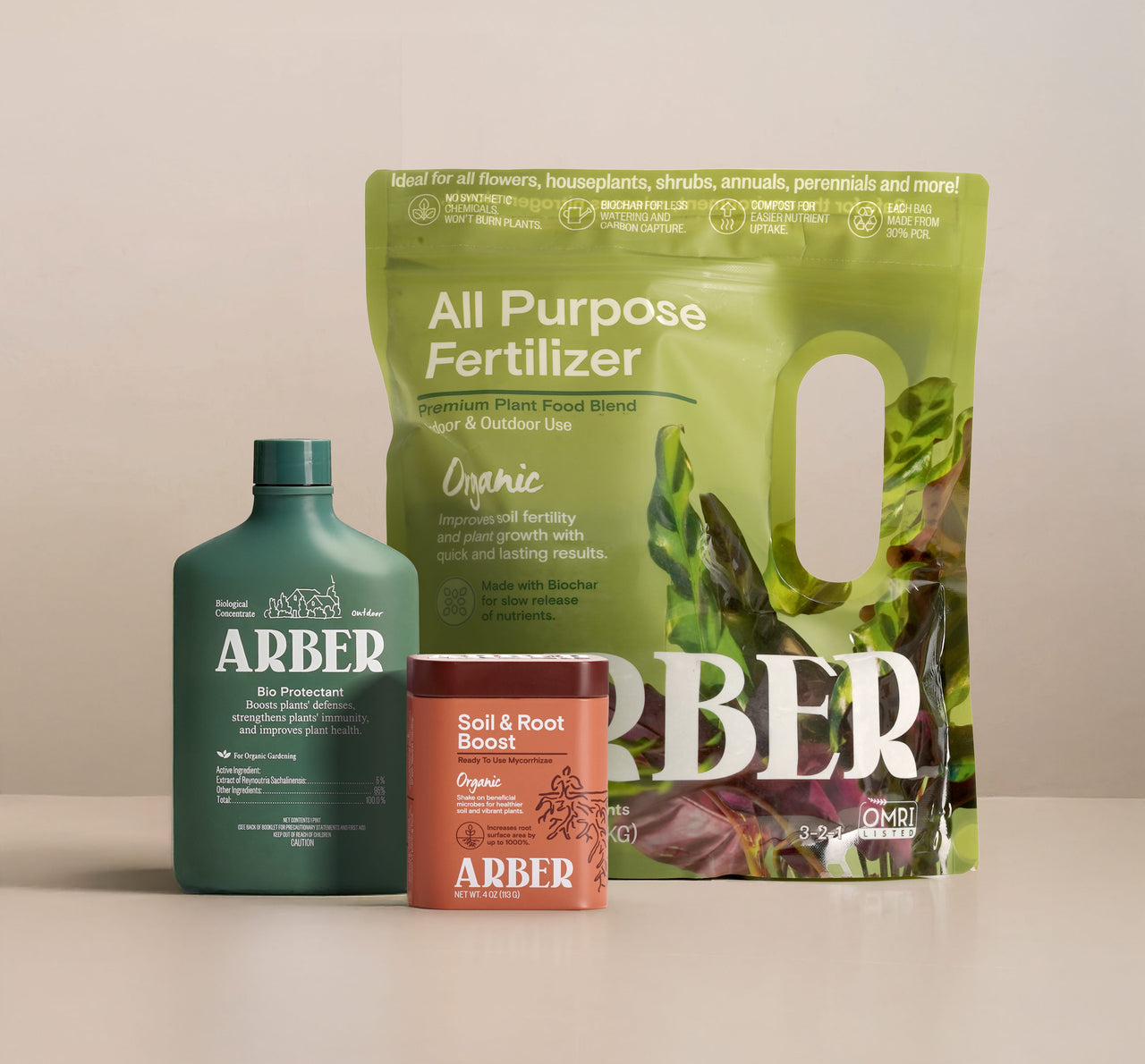
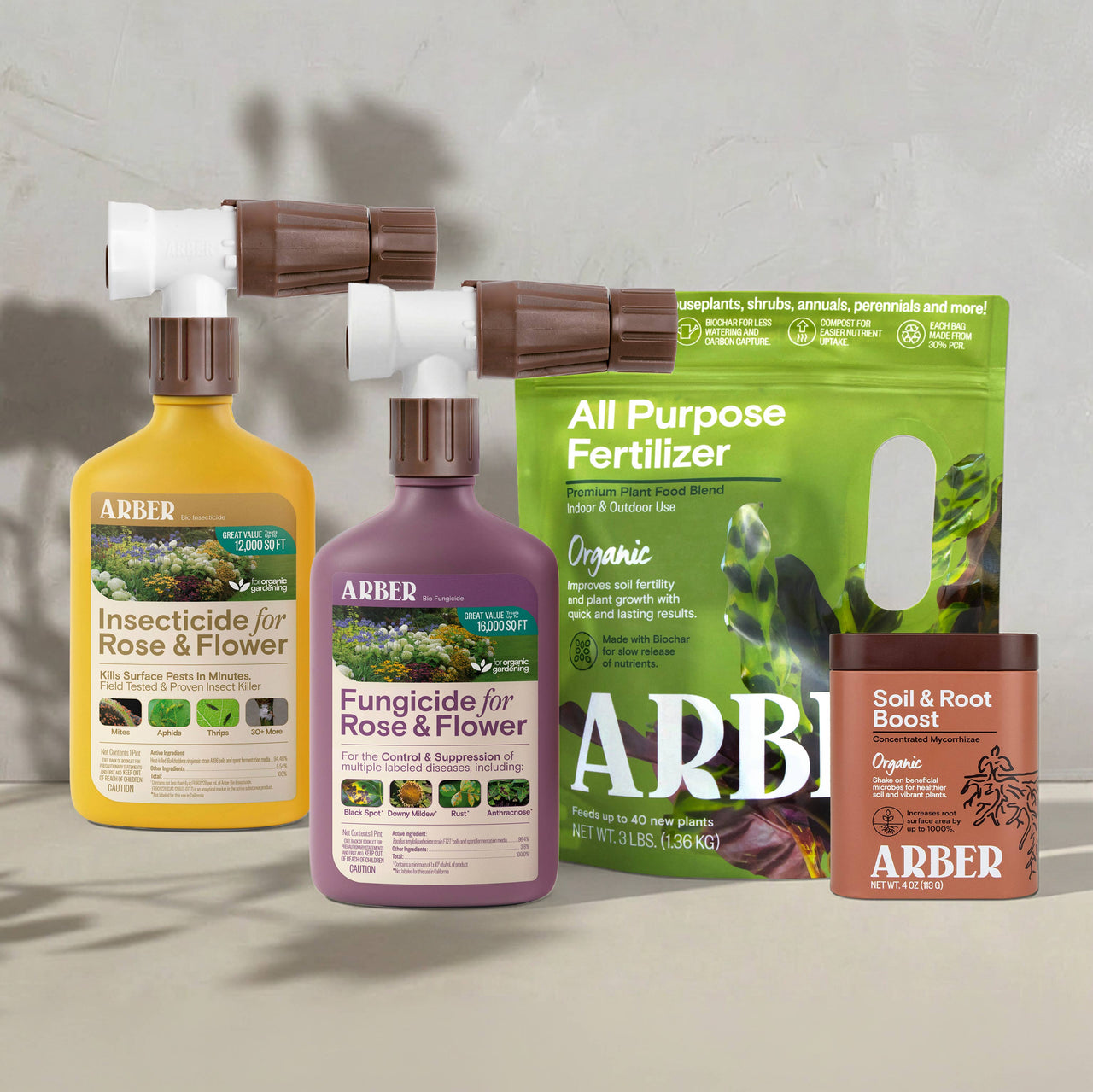
October might feel like a winding down of the garden season, but it’s actually the perfect time to invest in future growth whether you're harvesting cool-weather crops like kale and arugula or planting garlic and bulbs for spring, Shop our Fall Gardening Bundle now to grow greener, healthier, and bigger.


