
How to Create a Pollinator-Friendly Garden: 3 Ways to Protect Pollinators
|
|
Time to read 1 min
You’re attempting to view exclusive content only for members in the __tier_name__.
Already have an account? Sign in
You’re attempting to view exclusive content only for members in the __tier_name__.
Already have an account? Sign in
|
|
Time to read 1 min
Pollinators like bees, butterflies, and hummingbirds aren’t just beautiful garden guests—they’re essential to our food supply and ecosystem. In fact, over 75% of flowering plants rely on pollinators to reproduce, including many fruits and vegetables we eat every day.
But here’s the problem: pollinator populations are in steep decline, largely due to habitat loss, synthetical chemical use, and climate change. The good news? You don’t need acres of farmland to make a difference. Whether you’re working with a backyard, balcony, or community garden, you can turn your space into a pollinator paradise in just a few simple steps.
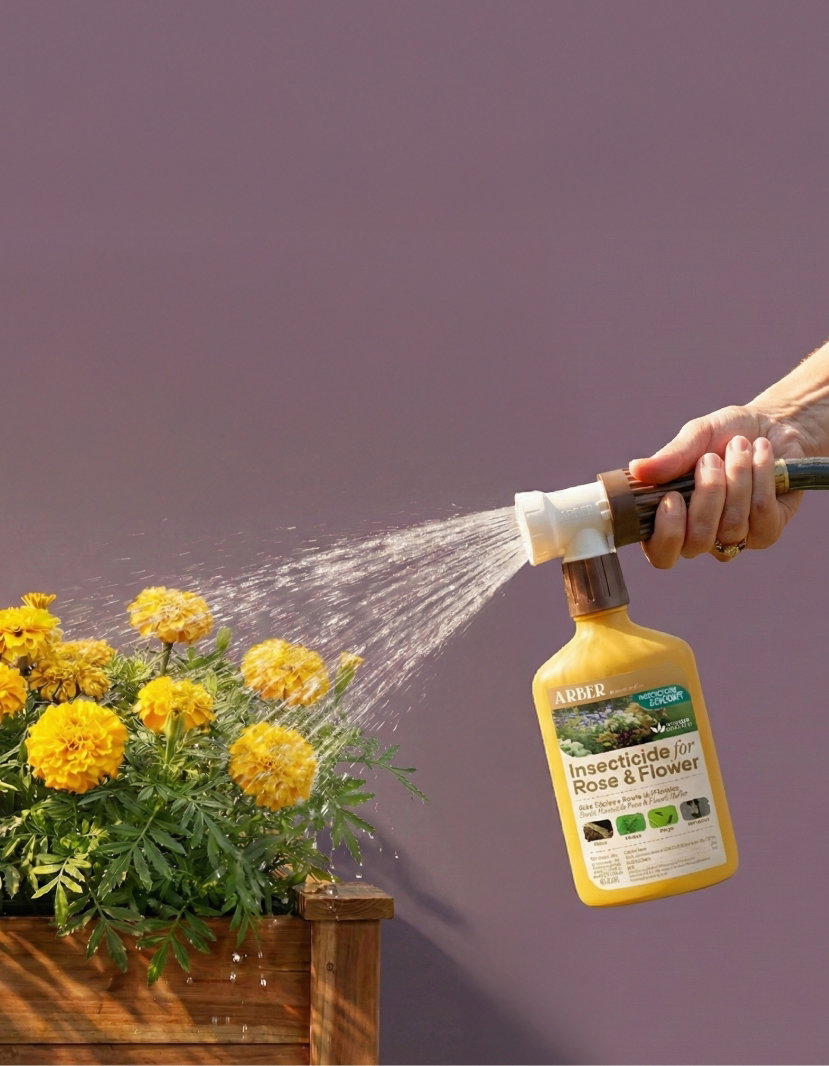
Conventional synthetic chemicals don’t just target pests, they also harm beneficial insects, like bees and butterflies. Many synthetic sprays linger on plants and in the soil, disrupting pollinator health and behavior long after application.
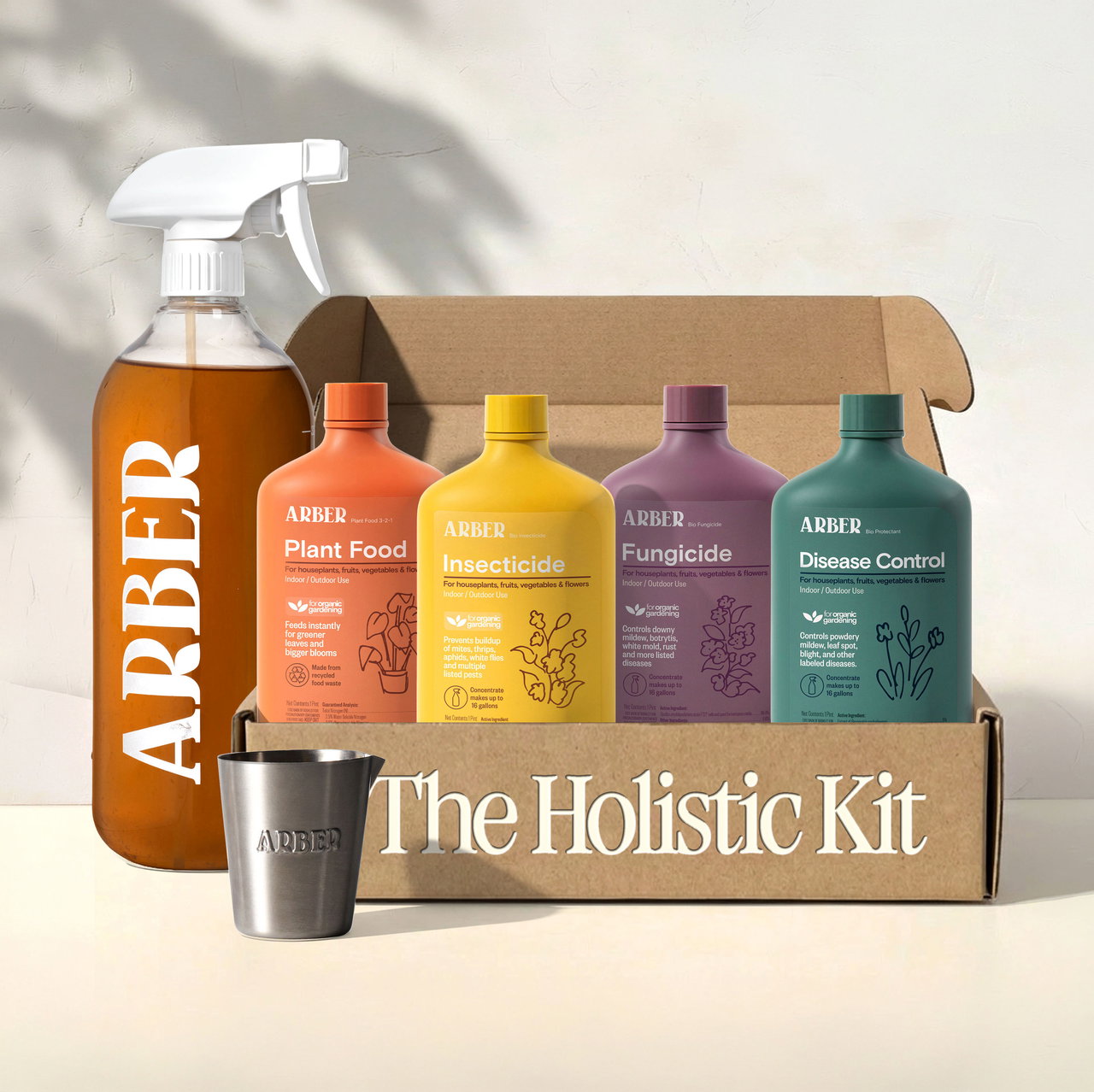
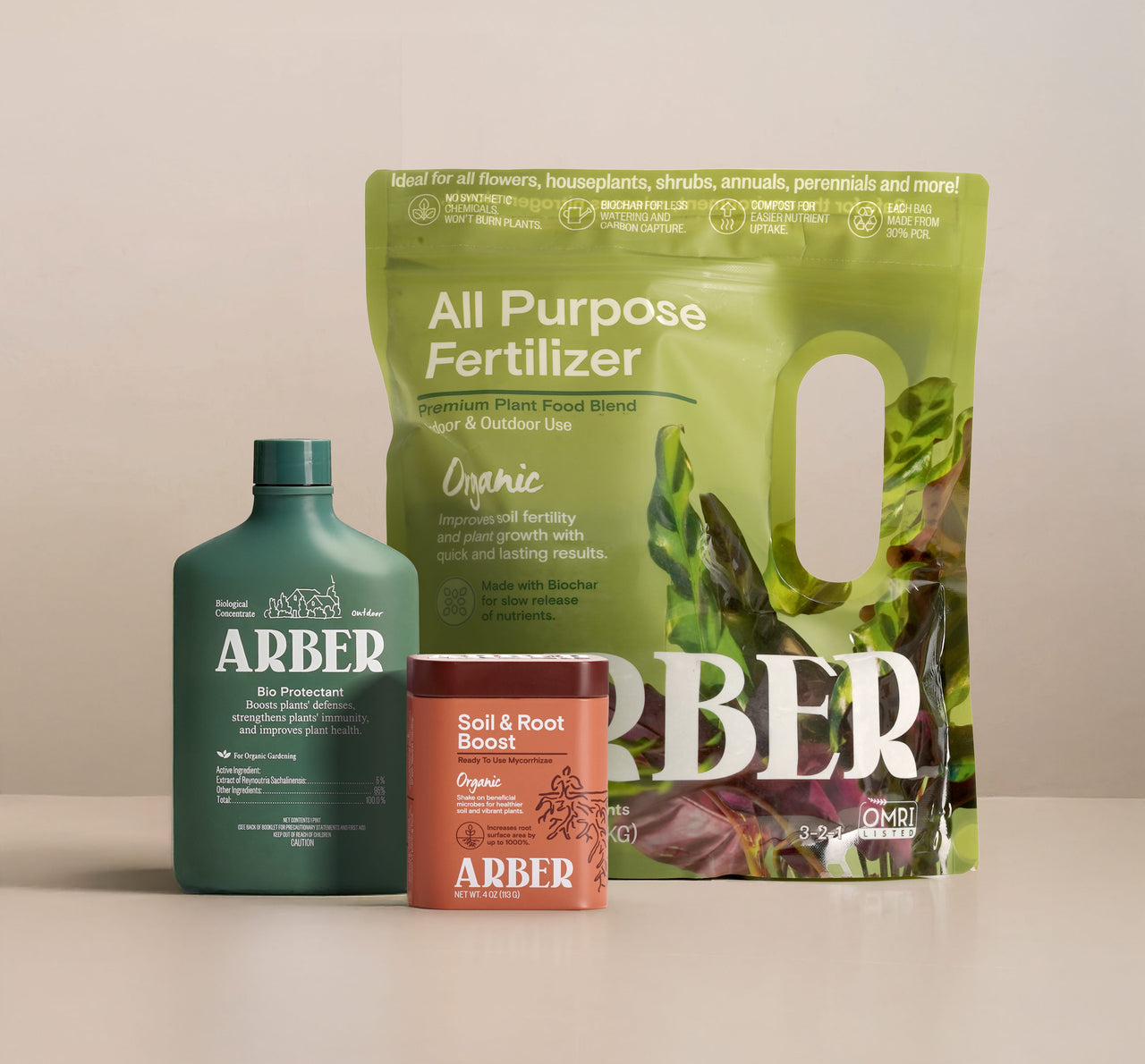
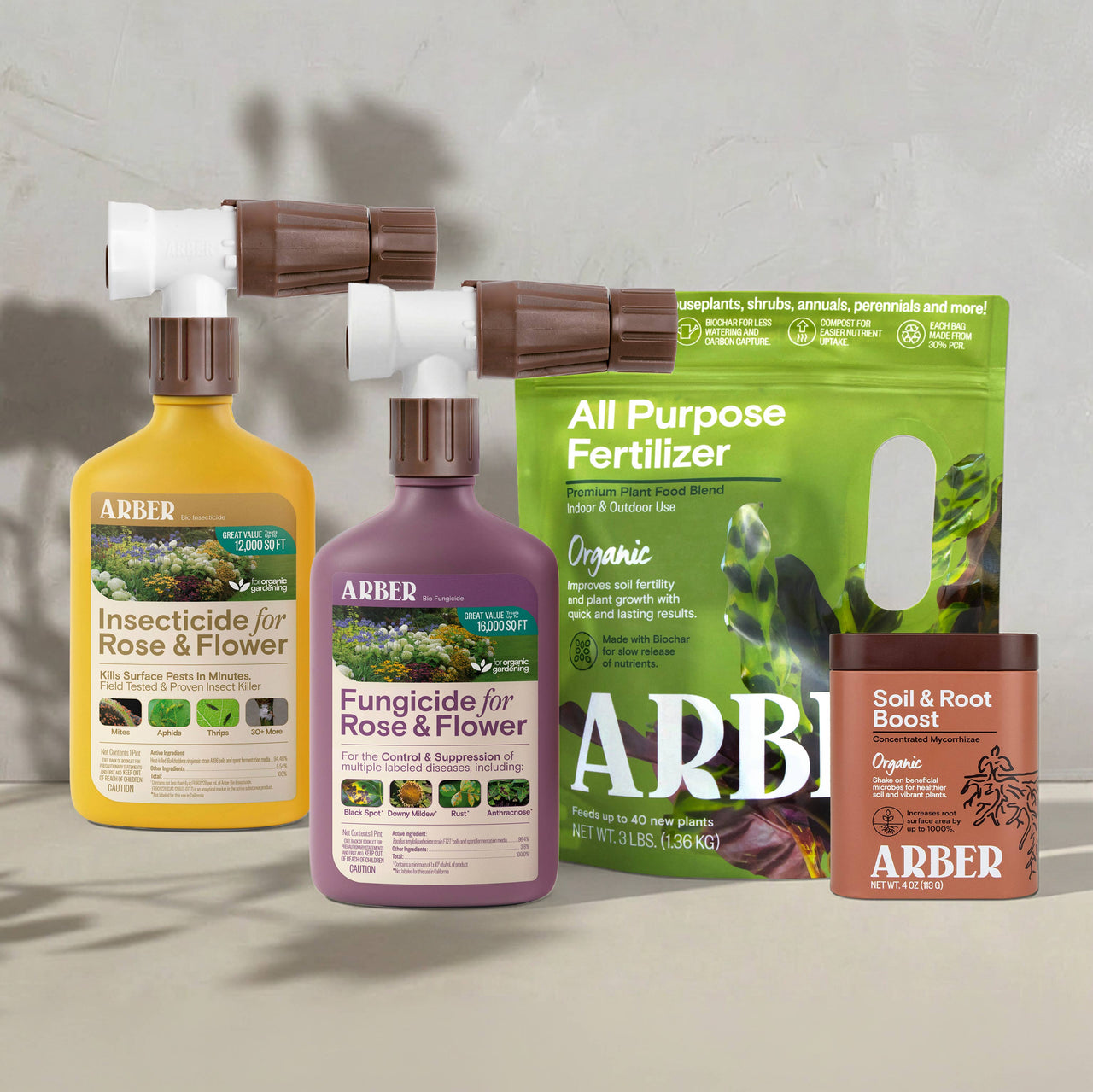
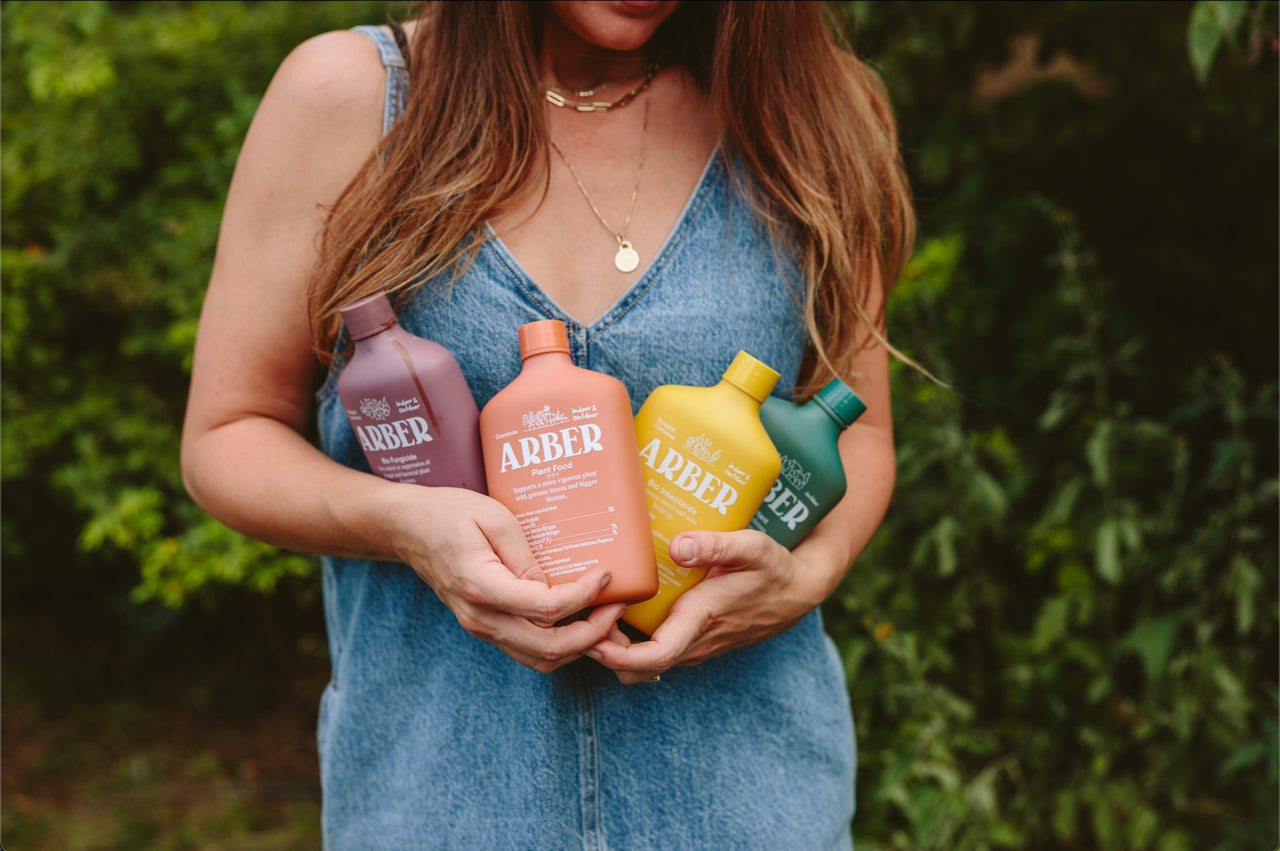
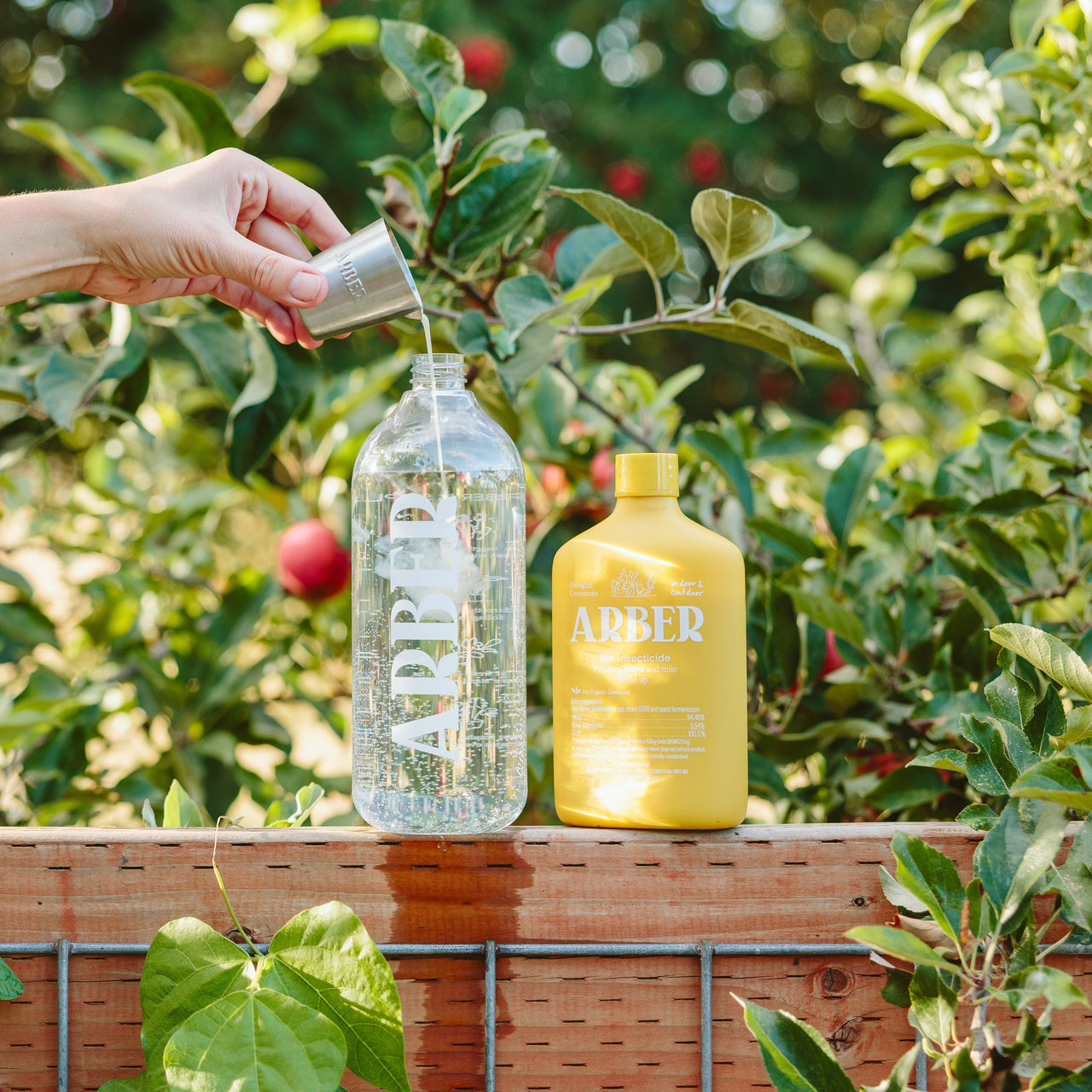
By switching to non-toxic gardening products, like Arber, Non-toxic gardening products, like Arber, are powered by organic ingredients that effectively target problems all while protecting pollinators. Arber is OMRI Listed and proven to be bee-safe, so you can keep your plants healthy without harming the very species that help them grow.
Pollinators are attracted to bright, nectar-rich blooms—especially native varieties. Think coneflowers, bee balm, lavender, zinnias, milkweed, and sunflowers. A mix of shapes, heights, and bloom times ensures there’s always food available throughout the season.
Why This Matters:
Diverse, native plantings offer a reliable food source for pollinators and give your garden a lush, colorful boost in return.
Pro Tip: Choose plants in clusters (3 or more of the same type) and skip synthetic chemical treated nursery plants.
Pollinators need water to cool their hives, digest food, and survive hot weather. But they can’t land safely in deep or fast-moving water.
How to Make a Bee Bath:
Place a shallow dish outside, fill it with clean water and pebbles or small rocks. The pebbles give pollinators a safe landing spot to drink without drowning.
Why It Works:
Even a small water source can be a lifeline during dry, hot weather—especially in urban or container gardens where natural puddles are scarce.
Creating a pollinator-friendly garden isn’t just good for the bees, it’s good for your garden, your food, and the planet. With just a few easy changes, you can support local ecosystems, grow stronger plants, and play a role in protecting the future of our food supply. So whether you’re new to gardening or already in full bloom, now’s the perfect time to plant with purpose.


