

What to Plant in September: 5 Seeds & Starts for a Fall Harvest
|
|
Time to read 3 min
You’re attempting to view exclusive content only for members in the __tier_name__.
Already have an account? Sign in
You’re attempting to view exclusive content only for members in the __tier_name__.
Already have an account? Sign in
|
|
Time to read 3 min
As summer fades and cooler temperatures settle in, many gardeners assume the growing season is coming to an end. September is actually a prime planting month. Warm soil paired with crisp air creates ideal germination conditions for cool-season crops, and many vegetables sown or transplanted now will be ready for harvest before the first frost. Others can overwinter or offer multiple rounds of harvest.
Here are 5 of the best crops to plant in September for a successful late-season garden. Plus growing tips for seed or transplant, zone recommendations, and the best Arber product to support each crop.
Zones: 3–10
Plant Type: Direct sow (seeds only)
Why Plant in September: Carrots thrive in cooler temperatures and taste sweeter as fall frosts roll in. In warmer zones, you can enjoy a harvest before winter; in colder climates, you can overwinter the crop under mulch for an early spring yield.
Best Way to Start from Seed:
Sow seeds directly in loose, well-drained soil about ¼ inch deep.
Keep the soil moist during the slow germination period (up to 21 days).
Thin seedlings to 2–3 inches apart for optimal root growth.
Transplant Tips: Not recommended—carrots dislike root disturbance and grow best when direct sown.
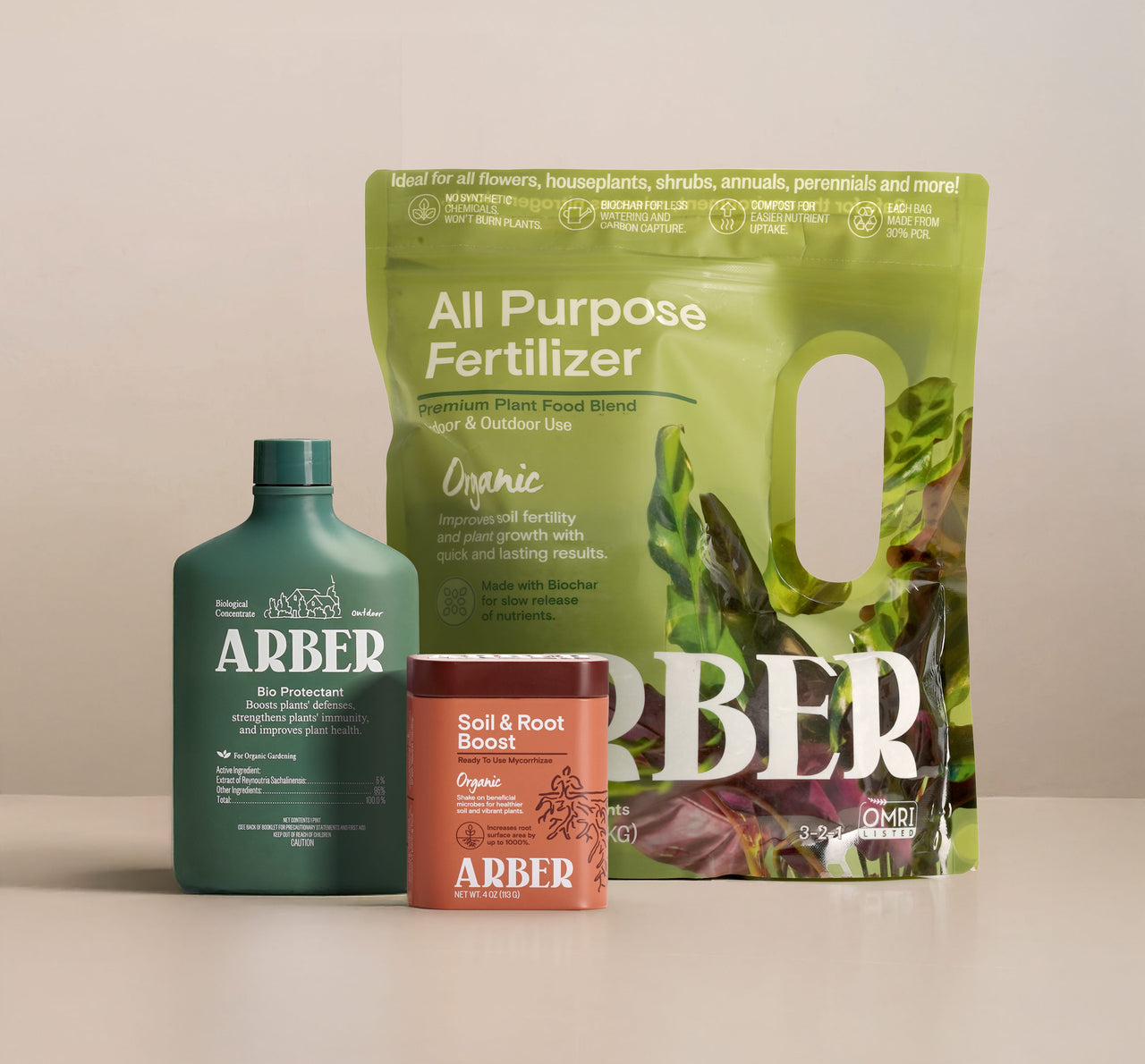
Arber Boost: Organic Soil & Root Boost enhances soil structure and root development, helping carrots form straight, uniform roots without splitting. Shake granules on top of soil at planting for best results.
Zones: 3–9
Plant Type: Seeds or transplants
Why Plant in September: Kale loves the cooler weather of fall and gets even sweeter after a light frost. It matures in 50–70 days, making it a reliable fall crop for salads, sautés, and smoothies.
Best Way to Start from Seed:
Direct sow ¼–½ inch deep, spacing seeds 1 inch apart in rows.
Thin to 8–12 inches apart once seedlings emerge.
Keep soil consistently moist to support germination.
Transplant Tips:
Start seeds indoors 4 weeks before transplanting.
Harden off seedlings before moving them outdoors.
Plant in fertile soil and water deeply after transplanting.
Arber Boost: Organic Plant Food provides nitrogen for vibrant leaf growth and long-lasting production. Water directly into soil every 3 weeks for best results.
Zones: 3–9
Plant Type: Seeds or transplants
Why Plant in September: Fall-grown lettuce is tender and slow to bolt, with better flavor and texture than summer crops. Many varieties mature in as little as 30 days.
Best Way to Start from Seed:
Sow directly in well-prepared soil, ¼ inch deep.
Space leaf lettuce 4–6 inches apart, and head lettuce 10–12 inches apart.
Water lightly and often for best germination.
Transplant Tips:
Start indoors 2–3 weeks before transplanting.
Transplant in the evening or on a cloudy day to reduce transplant shock.
Use mulch to maintain moisture and suppress weeds.
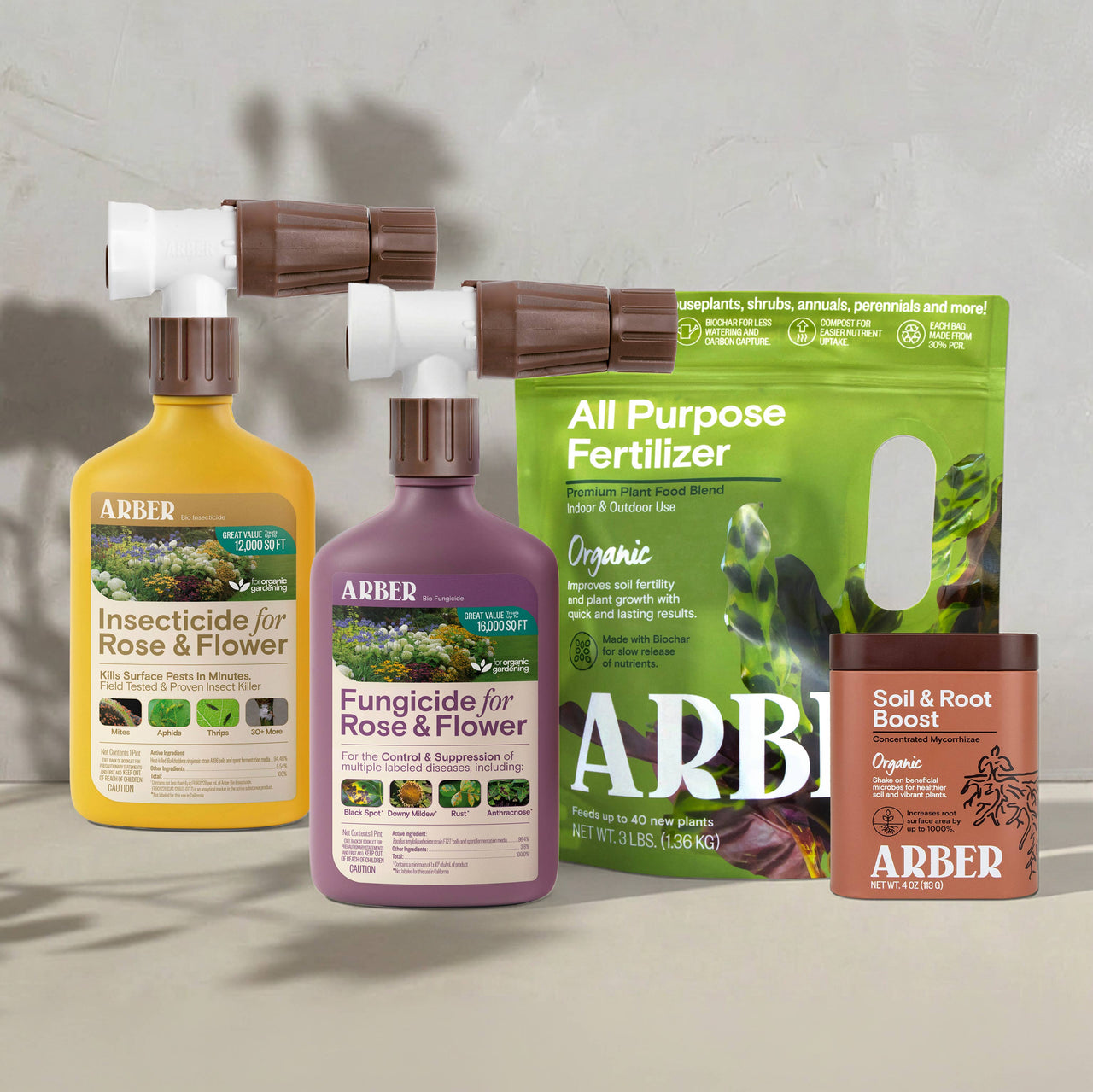
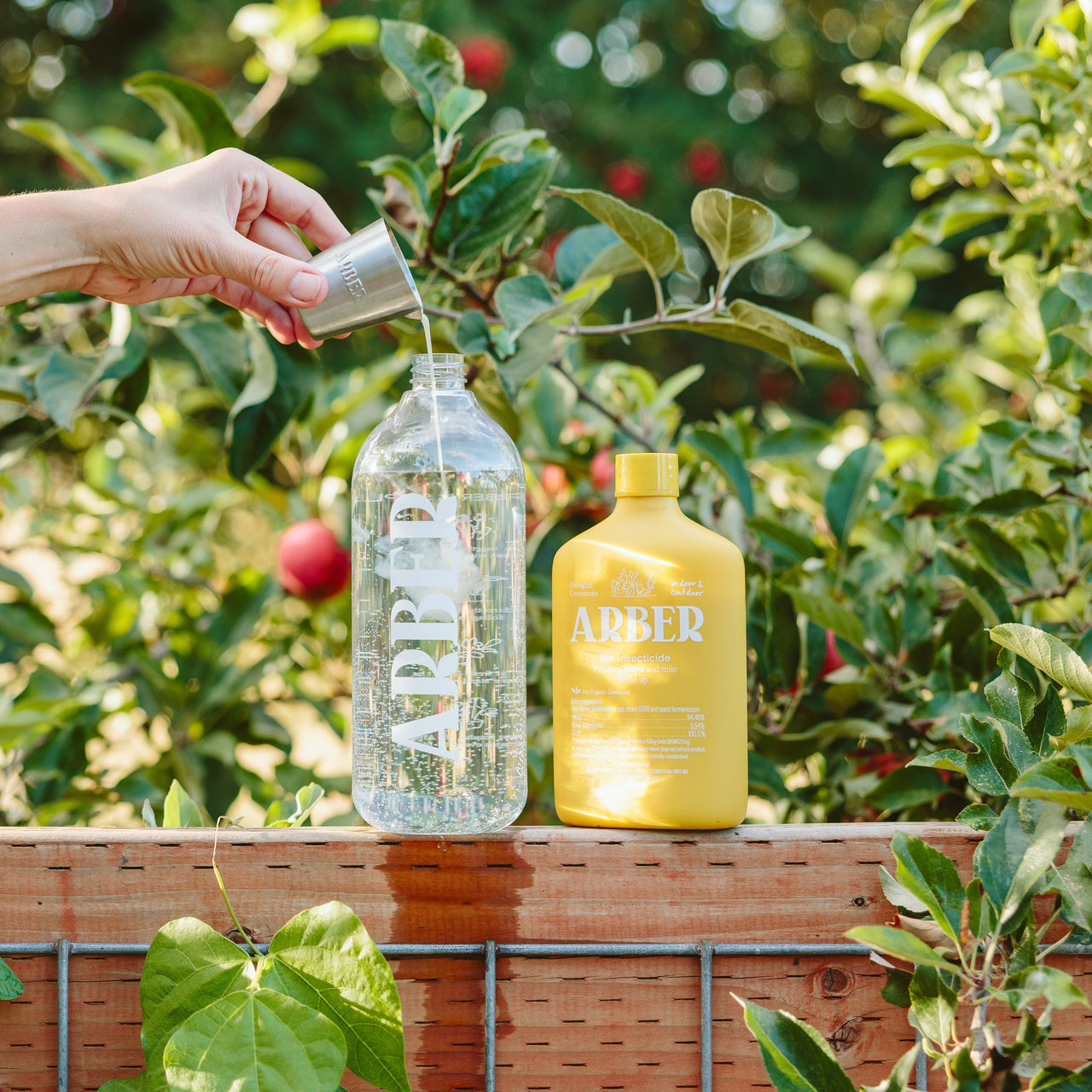
Arber Boost: This crop attracts a variety of pests through the growth stages, including aphids, armyworms, thrips, and leaf miners. Apply Organic Bio Insecticide every 2 weeks to prevent pests for best results.
Zones: 3–10
Plant Type: Direct sow (seeds only)
Why Plant in September: Radishes are one of the fastest-growing vegetables, maturing in just 20–30 days. They’re ideal for quick succession planting before frost arrives.
Best Way to Start from Seed:
Direct sow ½ inch deep and 1 inch apart.
Thin to 2 inches apart once seedlings sprout.
Water regularly to prevent cracking and pithiness.
Transplant Tips: Not advised—radishes grow best from seed and don’t transplant well.
Arber Boost: Organic Soil & Root Boost promotes strong root growth and uniform sizing, while preventing compaction in tight soils. Shake granules on top of soil at planting for best results.
Zones: 7–10 (warmer regions)
Plant Type: Transplants preferred
Why Plant in September: Broccoli thrives in cooler weather and forms tighter, sweeter heads when maturing in the fall. In warmer zones, starting in September ensures a solid fall harvest.
Best Way to Start from Seed:
In Zones 7–10, you can still start indoors, 6–8 weeks before transplanting.
Use a quality seed-starting mix and provide consistent moisture.
Transplant Tips:
Choose healthy seedlings with 4–6 true leaves.
Plant 18 inches apart in nutrient-rich soil.
Water deeply after transplanting and mulch to retain moisture.
Arber Boost: This crop is highly susceptible to powdery mildew. Apply Organic Bio Protectant every 2 weeks to guard against powdery mildew and environmental stress.
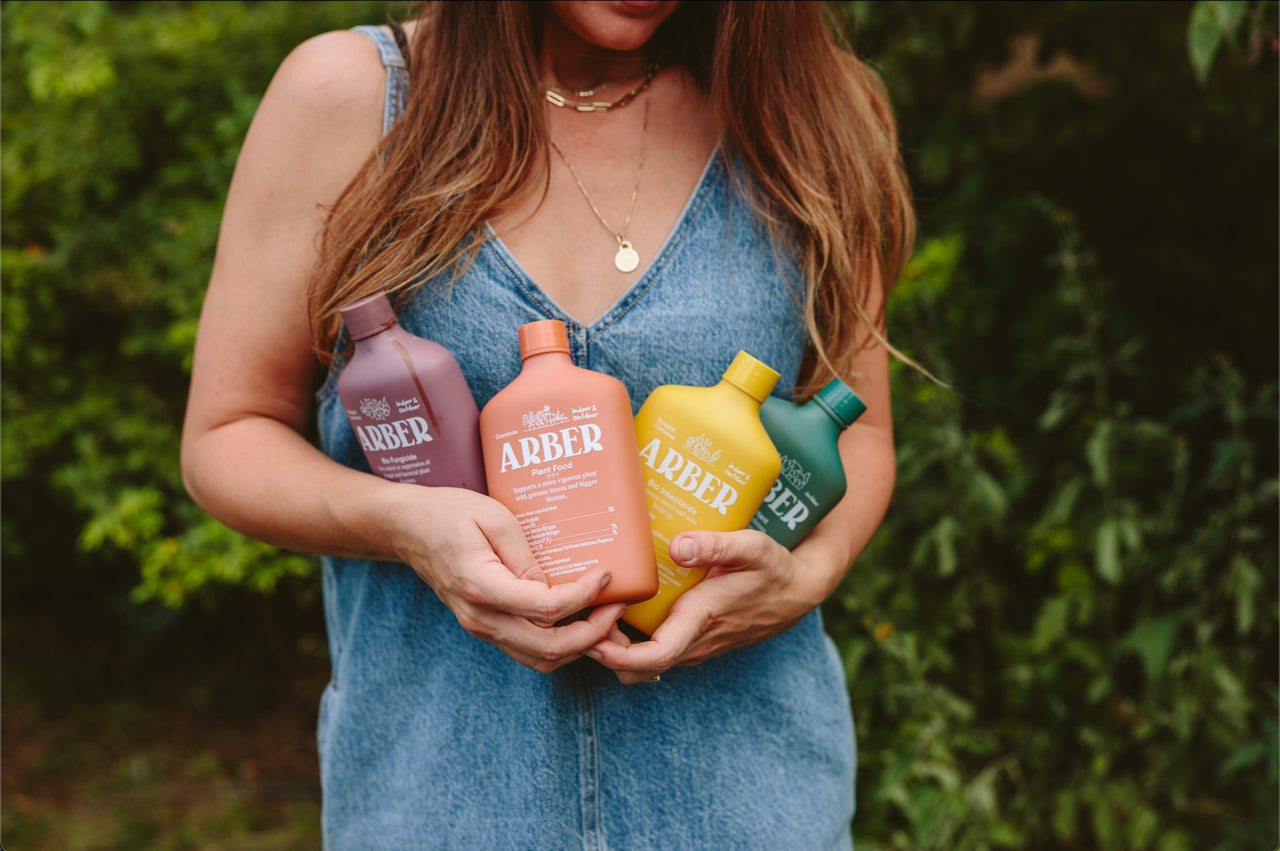
September planting doesn't just extend the growing season, it sets your garden up for resilience and reward. Our collection of organic formulas make it easier than ever to grow healthy, happy plants through the fall and beyond. Shop our Fall Gardening Bundle now to grow greener, healthier, and bigger this season.


